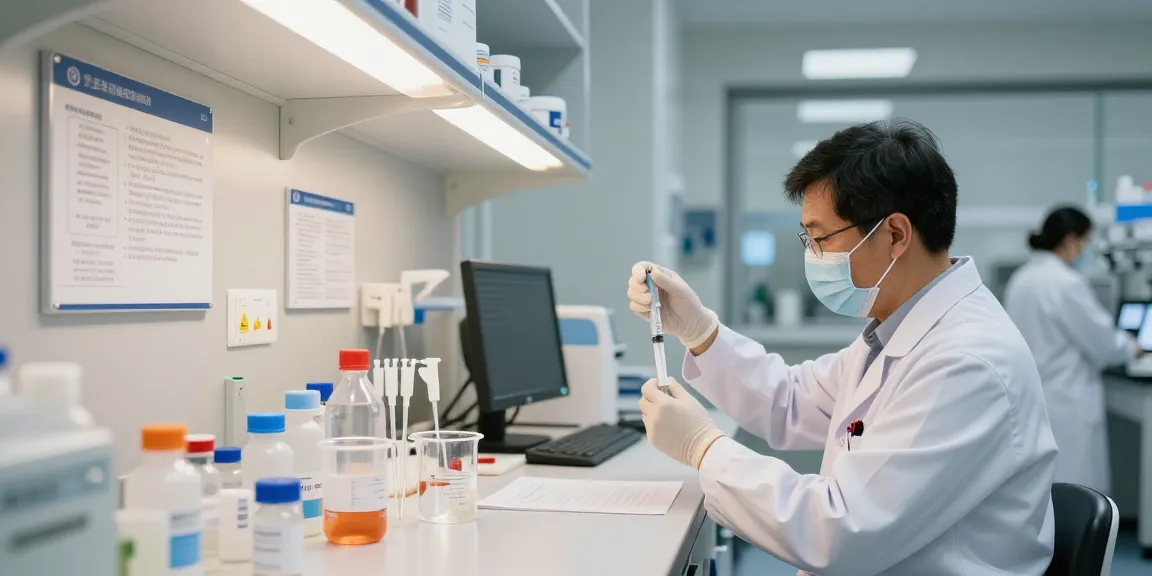
Understanding Sterile Water for Injection
Sterile water for injection is a critical component in the pharmaceutical and healthcare industries, serving as a solvent for medications and a vehicle for intravenous therapy. As the cornerstone of many medical preparations, understanding its properties, preparation methods, and applications is essential for healthcare professionals. This article delves into the significance of sterile water for injection, the complex sterilization processes it undergoes, regulatory standards, and its vital role in ensuring patient safety.
What is Sterile Water for Injection?
Sterile water for injection is a purified form of water that has gone through a rigorous sterilization process to eliminate any microbial life. Its primary purpose is to serve as a solvent for pharmaceutical preparations intended for parenteral administration or as a diluent for medications. It is vital that this water meets strict regulatory standards to ensure the safety and efficacy of the drugs with which it is combined.
Key Characteristics and Specifications
The specifications for sterile water for injection are defined by various pharmacopoeial standards, which include:
- Water Quality: The water must be free from contaminants, specifically pyrogens and particulate matter.
- pH Level: The acceptable pH range should typically be between 5.0 and 7.0.
- Packaging: Sterile water is usually packaged in single-use containers to prevent any risk of contamination.
Uses in Medical Practices
Sterile water for injection serves several critical roles in medical practices, including:
- As a diluent for powdered medications, allowing for easier administration.
- Used in intravenous infusions to maintain hydration or provide electrolytes.
- Facilitating the reconstitution of vaccines or other sterile products.
For more in-depth insights on sterile water for injection, you may refer to this resource sterile water for injection.
The Sterilization Process
How is Sterile Water for Injection Prepared?
The preparation of sterile water for injection involves a series of meticulously controlled processes. Initially, high-purity water is produced using reverse osmosis or distillation methods. Following purification, the water is subjected to a sterilization process, typically involving autoclaving at high temperatures or the use of sterile filtration methods to ensure all microbial life is eliminated.
Common Sterilization Methods Explained
There are several sterilization methods employed in the production of sterile water for injection, including:
- Autoclaving: A process using steam under pressure to kill bacteria and spores.
- Filtration: Utilizing special filters that allow liquid to pass while trapping particles and microorganisms.
- Radiation: Employing gamma rays or electron beams to disinfect water without heat.
Best Practices for Quality Assurance
Ensuring the quality of sterile water for injection is paramount. Best practices include:
- Regular testing for sterility, endotoxins, and particulate matter in batches.
- Implementing strict protocols during the manufacturing process to minimize contamination risks.
- Maintaining proper documentation and traceability of all materials used in preparation.
Regulatory Standards and Compliance
Key Regulatory Bodies and Their Roles
Several regulatory bodies oversee the standards for sterile water for injection, including:
- The U.S. Food and Drug Administration (FDA): Establishes guidelines for quality and safety in the manufacturing process.
- The European Medicines Agency (EMA): Provides regulations and guidance for drug safety in Europe.
- The World Health Organization (WHO): Supplies international standards for healthcare products, including sterile water.
Compliance Challenges in Pharmaceutical Production
Manufacturers face various challenges in compliance with regulations, including:
- Keeping up with evolving regulatory frameworks.
- Implementing new technologies while maintaining existing quality standards.
- Training staff consistently to adhere to rigorous quality assurance protocols.
Future Trends in Sterilization Regulations for 2026
As we approach 2026, there are emerging trends likely to influence regulations surrounding sterile products:
- Increased emphasis on biopharmaceuticals and personalized medicine, necessitating enhanced testing methods.
- Adoption of continuous manufacturing processes to improve the efficiency and consistency of sterile products.
- Greater transparency in supply chains to ensure the integrity of all materials used.
Impact on Patient Safety
Understanding Contamination Risks
Contaminated sterile water can lead to severe patient safety issues, including infections or adverse drug reactions. Understanding these contamination risks is essential for healthcare providers. It’s critical that all personnel involved in the handling and preparation of sterile water are trained to manage these risks effectively.
How Sterile Water Affects Medication Efficacy
The efficacy of many injectable medications can be significantly impacted by the quality of sterile water used for dilution or reconstitution. Contaminated or improperly prepared sterile water can lead to suboptimal drug performance or unexpected side effects, highlighting the need for stringent quality control measures.
Case Studies of Successful Sterile Practices
Numerous case studies illustrate the importance of adherence to sterile practices. For example, hospitals that have implemented rigorous sterilization protocols have seen significant reductions in infection rates. These studies underscore the impact that quality sterile water can have not only on patient outcomes but also on overall healthcare costs.
Future Developments in Sterile Water Applications
Innovations in Sterile Water Production
Innovations in technology are shaping the future of sterile water production, including:
- Advanced filtration systems that allow for more effective sterilization.
- Automation in manufacturing processes to reduce human error and contamination risks.
- Real-time monitoring systems that enhance the ability to track water quality throughout the production process.
Predicted Trends for 2026 and Beyond
Looking forward, several predictable trends will likely shape the landscape for sterile water applications:
- Increased emphasis on sustainability and eco-friendly practices in the production of sterile products.
- Greater integration of data analytics to optimize production efficiency and monitor compliance.
- Expansion of telehealth services that may drive demand for more versatile sterile products.
Integrating Technology for Enhanced Safety
Technology will play a critical role in enhancing safety in sterile water production. From AI-driven quality control measures to blockchain for traceability in supply chains, the future of sterile water applications looks promising as it adapts to meet the evolving needs of healthcare providers and patients alike.
What types of procedures require sterile water for injection?
Sterile water for injection is essential for various medical procedures, including:
- Administration of intravenous medications.
- Preparation of injectable vaccines.
- Mixing with other injectable drugs for safe delivery.
How can healthcare providers ensure the quality of sterile water?
Healthcare providers can ensure the quality of sterile water by adhering to established protocols, performing regular quality testing, and ensuring proper storage and handling practices. Continuous training and education on aseptic techniques are crucial for all staff involved in the handling of sterile products.
What are the risks of using non-sterile water in injections?
Using non-sterile water can lead to significant risks, including severe infections, pyrogenic reactions, and compromised medication efficacy. These risks underscore the importance of adhering to sterile practices throughout the medical field.
Are there alternatives to sterile water for injection?
In certain situations, alternatives to sterile water for injection may include saline solutions or other sterile diluents. The choice of alternative often depends on the specific medication and required osmolarity.
How will regulations evolve for sterile products in the future?
Regulations for sterile products are expected to evolve with advancements in technology and an increasing understanding of microbial risks. Future regulations may include stricter testing requirements and guidelines to ensure product safety and efficacy in a more dynamic healthcare environment.